
Last updated November 15, 2026
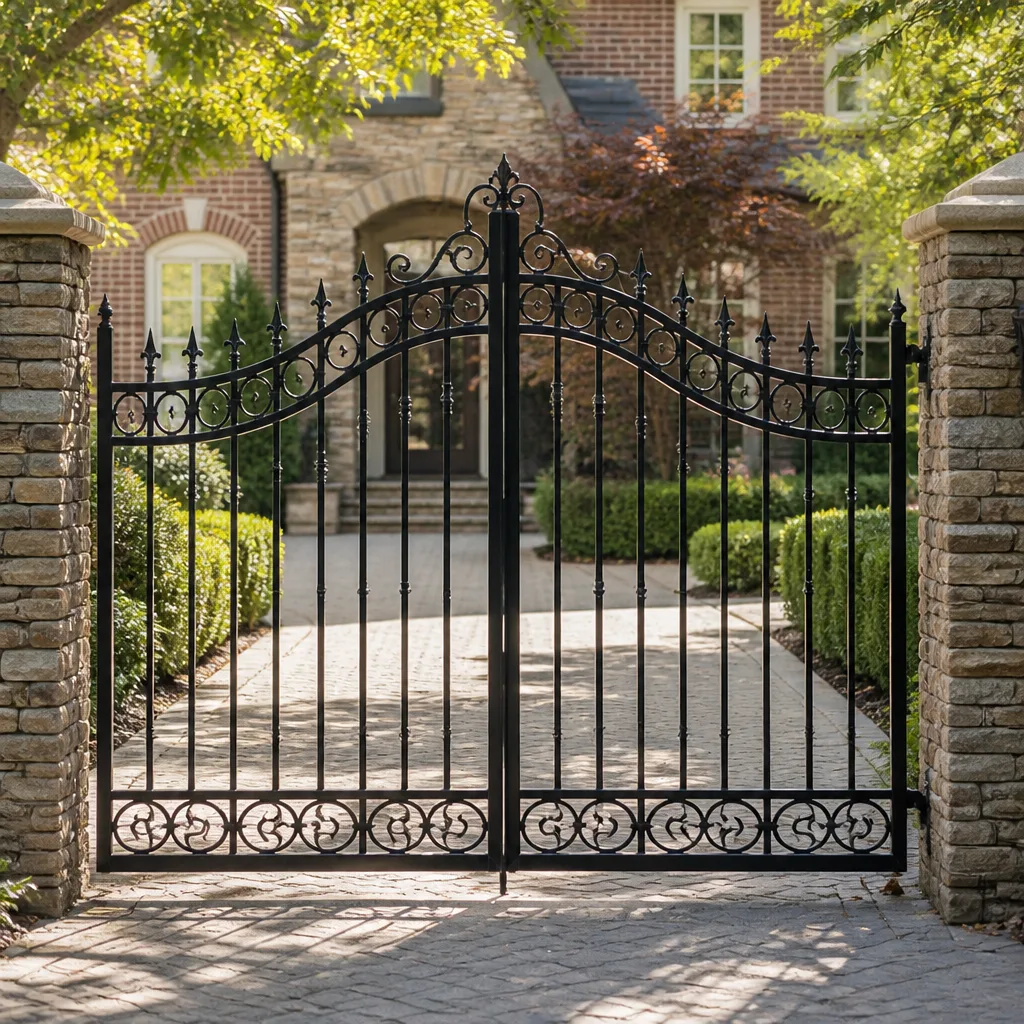 Wrought iron
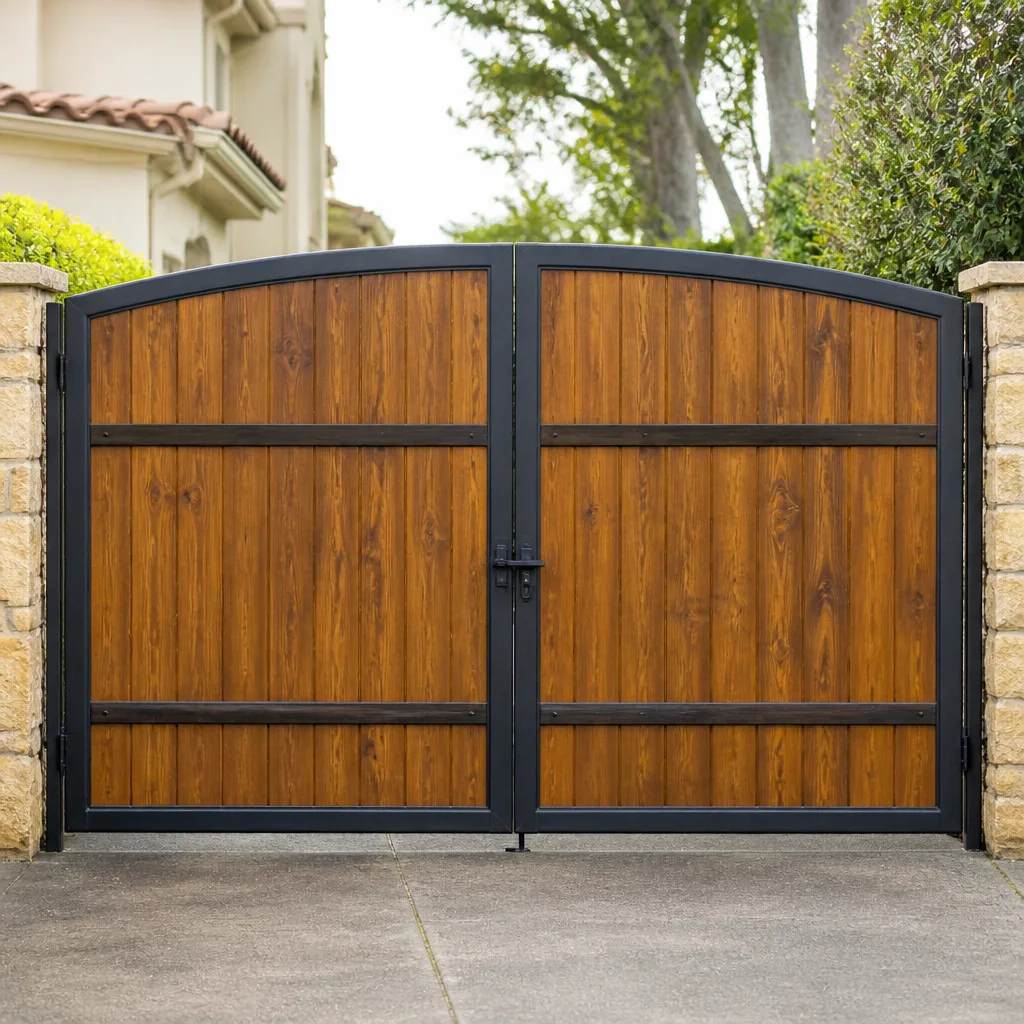 Wood & steel frame
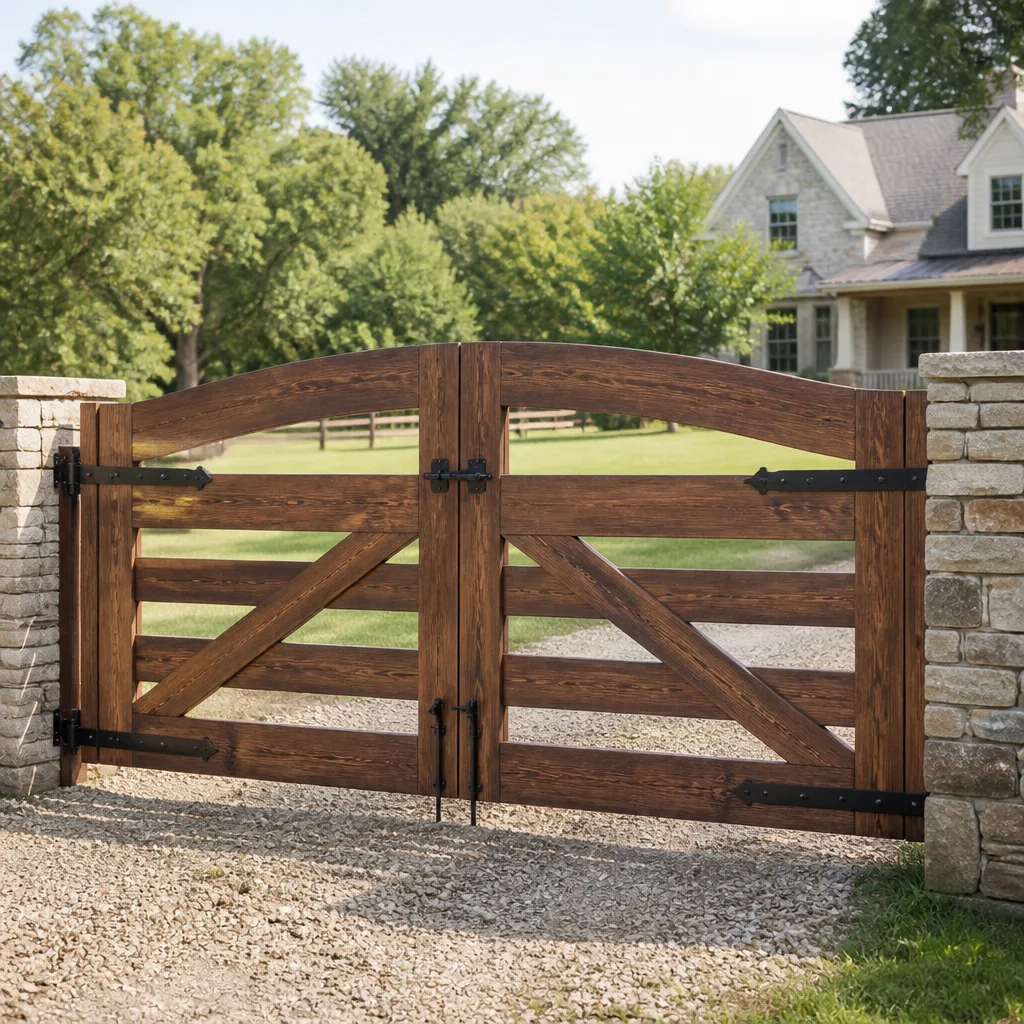 Farm & ranch
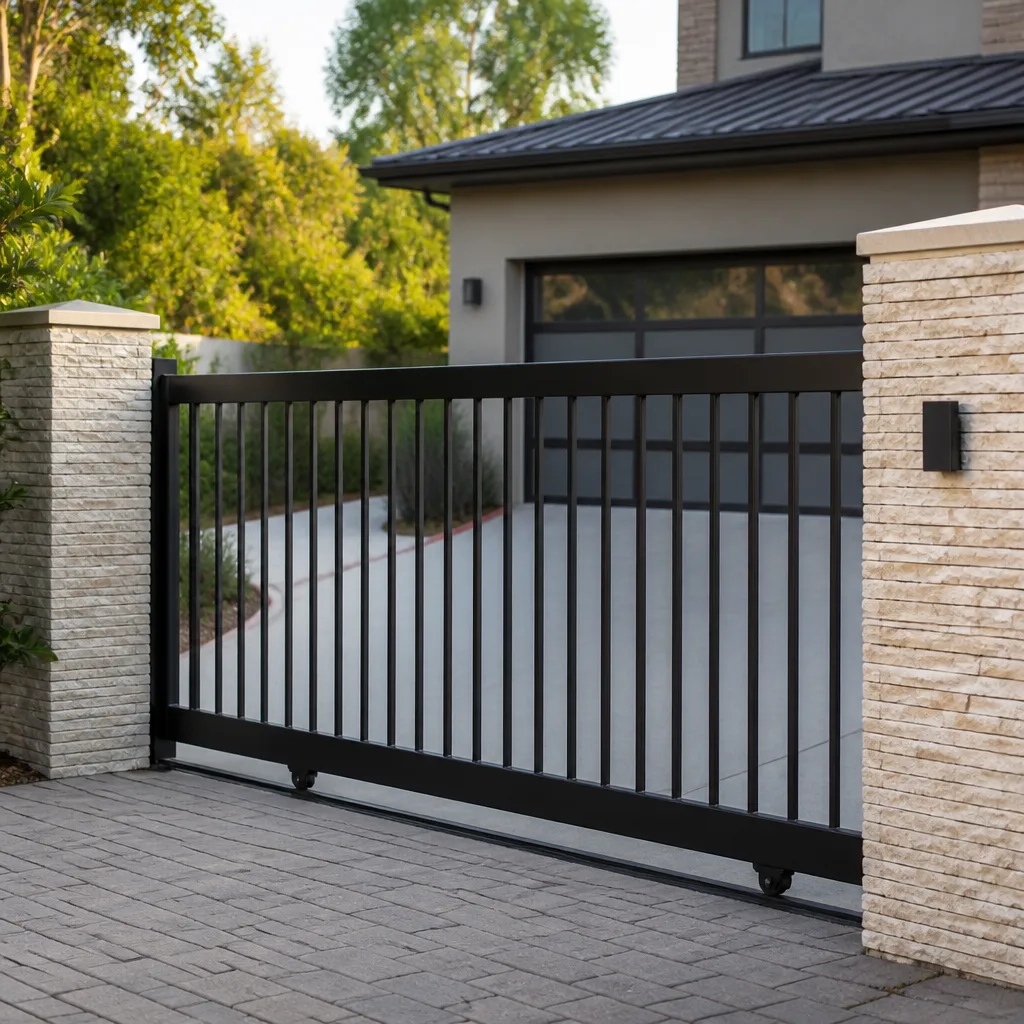 Sliding driveway gates
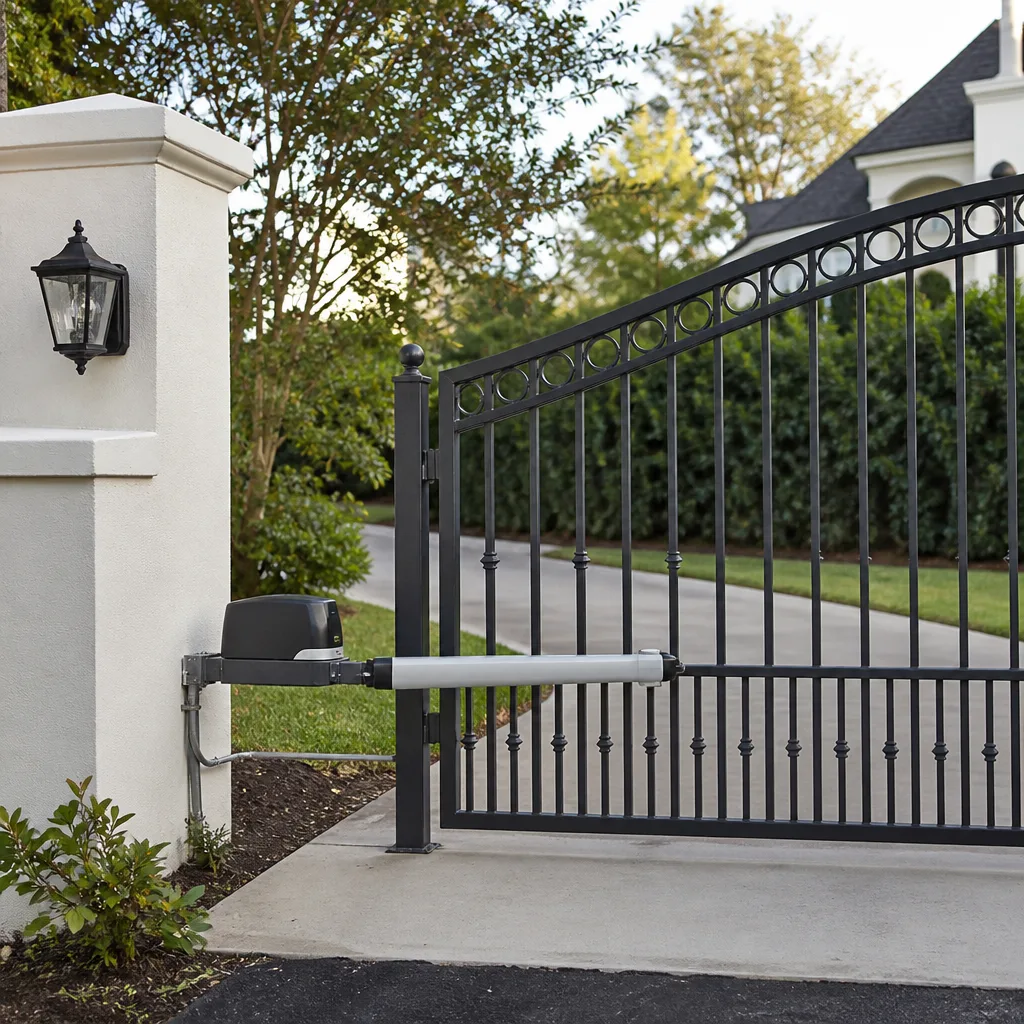 LiftMaster operators
Free on-site gate assessment - hinges, posts, and your LiftMaster or Nice gate operator checked before anything is quoted
The assessment is free and the quote is the invoice.
Get your free estimateGate Repair Emergency Preparedness Guide for Davie Homes
The call that scares homeowners most doesn’t come during the storm. It comes after, when the power is still out, the street is dark, and someone realizes nobody in the house has ever touched the manual release on the gate operator. They don’t know where the key goes. They don’t know whether the arm has to come off first. A Viking or LiftMaster system that has opened smoothly for years suddenly holds the whole driveway hostage at exactly the wrong moment.
Gate emergencies in Davie follow patterns. Power loss, tropical weather, access failures. This guide treats preparedness as a system you build now, not a list of phone numbers you scramble for later. You’ll learn how to test your release, prep before a watch is issued, assess electrical components after flooding, and build an emergency file that cuts response time in half.
Quick Answer
Gate repair emergencies in Davie are best prevented by testing your operator’s manual release before you need it, keeping a written emergency file with your gate’s model and serial number, and knowing the difference between a lockout and a true security emergency. Most failures trace back to power interruptions, storm damage, or access-control lockouts, and all three are predictable enough to prepare for in advance. When a repair is needed, a free estimate and a trained technician on a multi-brand system get you back to normal fastest.
Styles & brands we work with
- Wrought iron
- Wood & steel frame
- Farm & ranch
- Sliding driveway gates
- LiftMaster operators
Table of Contents
- Why Gate Emergencies in Davie Follow a Pattern
- How to Find and Test the Manual Release on Your Gate Operator
- Pre-Hurricane Gate Preparation: The Davie Sequence
- Assessing Gate Electrical Systems After Flooding
- What Counts as a True Gate Security Emergency
- Building Your Gate Emergency File
- What to Do When the Gate Stops Responding
- Repair or Replace? How to Decide Under Pressure
Why Gate Emergencies in Davie Follow a Pattern
Gate failures here aren’t random. In our experience across Davie, the same three triggers account for most of the calls that come in after a system stops working: power interruptions, storm events, and access-control problems. Each one leaves fingerprints. A homeowner who knows the pattern can often tell what happened before the technician even arrives.
Summer thunderstorms roll through and knock the grid out for a few hours. The gate operator has a battery backup or it doesn’t, and nobody checked which before the lights went out. Static and voltage spikes travel down the line to control boards that were never protected. A surge sensor fails quietly, and the gate won’t close properly the next morning. That’s not a mystery. It’s an electrical event with a predictable signature.
Tropical weather brings its own sequence. Debris against the gate leaf. Water in the low-lying parts of a property. Limbs down across the driveway. The gate itself is often fine; the operator, sensors, and wiring take the hit. Davie properties with a lot of mature landscaping along the perimeter tend to see this first, because the vegetation that makes the yard look good is the same vegetation that ends up in the gate’s path.
Access failures round out the trio. An operator board locks up, a keypad loses its programming after a brownout, an emergency bypass code gets forgotten, and suddenly a property that was fully controlled last week is holding itself open. On a residential driveway that’s an inconvenience. On an access-controlled commercial or estate property, a gate stuck open is a security event, and it needs a different response than a gate that won’t open.
Understanding these three triggers is the foundation of everything else in this guide. Once you can name what caused a failure, you can prepare for the next one specifically instead of hoping it doesn’t happen.
How to Find and Test the Manual Release on Your Gate Operator
Every automatic gate operator has a way to disengage the motor so the gate can be moved by hand. This is the single most important thing to practice before an emergency. If you’ve never used it, you don’t actually have a plan. You have a hope.
The release mechanism differs by brand and by whether you have a swing gate or a slide gate. On most residential swing operators, you’ll find a keyed release on the housing, usually near the arm or behind a small access panel. Slide operators typically have a lever or turn-key disengage on the motor housing. Estate and commercial systems sometimes use a padlock-and-pin arrangement instead. None of them require special tools beyond the key that came with the system, but all of them require that you know where that key is.
Here’s the safe way to approach it:
- Find the release point on your operator housing and note its location before you ever need it. On a LiftMaster or Linear residential operator, it’s usually a keyed cylindrical release on the cover.
- Locate the release key. Tape a copy to the inside of the control box or store it where a household member can find it in the dark. Never bury it in a drawer you’ll be fumbling through.
- With the gate stopped and power on but the operator idle, insert the key and turn the release. You should hear the motor disengage.
- Move the gate by hand through its full travel. It should move smoothly. If it binds, the mechanical problem is separate and worth a call.
- Re-engage the release and cycle the gate with the remote to confirm it still opens and closes normally.
Do this once a season. It takes five minutes and it tells you whether the release still works, whether the gate swings freely, and whether your key is where you think it is.
One safety note worth repeating: the release disengages the motor, not gravity. A heavy gate leaf on a slope can swing once it’s free. Keep hands and feet clear of the hinge line and never let a child practice the release unsupervised. For systems with heavy panels or an operator wired into a dedicated circuit, if anything about the release feels wrong, stop and have a trained technician look at it rather than forcing it.
Pre-Hurricane Gate Preparation: The Davie Sequence
When a tropical storm watch is issued for the Davie area, there’s a specific sequence for your automatic gate that keeps it from becoming a problem during the storm or after it. The order matters. Do these things before the wind picks up, not while it’s blowing.
- Cycle the gate once while you have full power. Confirm it opens and closes cleanly. A gate that’s already struggling will fail under stress.
- Disengage the operator and move the gate by hand. This tells you the gate leaf isn’t binding and the track or hinges are clear. If you can’t move it by hand, you’ll want to know that now.
- Decide manual override versus leaving the system active. This is the real question, and it depends on your property. A residential driveway with a battery-backup operator can often stay active through a short outage. A property that floods, or an operator without backup, is better off manually released and secured with a physical lock or pin before the storm arrives.
- Clear the gate’s path. Trim back limbs overhanging the swing or slide zone. Move anything loose nearby that wind could pick up and drive into the panels.
- Protect the electronics. If your operator has an accessible control box, confirm the cover is sealed. Unplug sensitive accessories if a surge is likely and the gate can be manually secured instead.
- Write down the operator’s model and serial number. If the board fails during the storm, having that number ready saves a diagnostic step.
Leaving a system active through a storm is a reasonable call if the operator has fresh battery backup and the property doesn’t flood. Manual override is the safer call when water is a factor, when the battery is old, or when the gate is the only thing keeping an access point controlled. Either way, the decision should be made before the watch, not at 11pm with water coming up the drive.
After the storm, don’t immediately re-power a gate that got wet. The next section covers the sequence that prevents damage.
Assessing Gate Electrical Systems After Flooding
A gate operator that sat in floodwater or took a serious soaking is an electrical hazard, not just a broken machine. The order you do things in after the water recedes is what prevents a burned-out board, a ruined motor, and a shock risk to whoever reaches for the switch.
- Do not restore power yet. Leave the breaker off. Leave the operator’s own disconnect off. Water and live circuits don’t mix, and the operator housing may still hold moisture even when the outside looks dry.
- Check for standing water and visual damage first. Any water in the control box, corrosion on terminals, or a swollen or cracked housing means the operator needs to be inspected before it’s energized.
- Let it dry properly. Give the housing and any exposed wiring time to dry out. Don’t use a hair dryer or heat gun on a sealed control box; you can warp seals and drive moisture deeper.
- Look for obvious shorts before powering up. Frayed wiring, scorched terminals, a tripped breaker that won’t reset. If you see any of these, stop and call a technician.
- Only then bring power back incrementally. Restore the breaker, then watch the board and motor for any sign of trouble. A board that’s about to fail often gives a warning: clicking, erratic behavior, a burning smell, or the motor running without moving the gate.
The most common post-flood mistake we see is homeowner restores power too fast, the board shorts, and a repairable operator becomes a replacement. The second most common is the opposite: the operator looks fine, works for a week, and then fails because moisture was still inside. A trained technician can test the low-voltage side, check the safety sensors and loops, and tell you whether the board survived before you commit to a repair or a full replacement.
If your gate flooded, that’s a scenario worth a professional call regardless of how handy you are. Electric gate repair is what we do, and a free estimate tells you exactly what you’re dealing with.
What Counts as a True Gate Security Emergency
Not every gate failure is an emergency, and treating every lockout as one means you’ll be waiting behind people who actually have a security problem. The distinction matters most on access-controlled properties, where a gate that stays open is a different problem than a gate that won’t open.
A true gate security emergency is a gate stuck open on a property that relies on it for access control. That means commercial yards, estate properties with controlled entry, or any location where an open gate means unvetted foot traffic, theft risk, or a real safety concern. It’s also the case when a gate fails in a way that leaves a hazard: a leaf hanging off its track, a slide gate off its rollers, a heavy panel that could fall. Those aren’t inconveniences; they’re risks that need to be secured immediately.
A gate that won’t open when the power’s out and the property is secure is not a security emergency. It’s a mechanical inconvenience. The manual release solves it in most cases. A gate that opens slowly, makes noise, or occasionally misses a remote command is a maintenance item, not an emergency.
When it is a real emergency, the fastest legitimate path in Davie works in a specific order:
- Secure the opening manually first. If the gate can’t close, use a physical lock, pin, or barrier to close the access point. Don’t leave an access-controlled property open while you wait.
- Call with the operator’s model and serial number and a description of the failure. That’s the difference between a technician arriving with the right parts and one arriving to diagnose from scratch.
- Have your property’s access details ready. Gate codes, release keys, and who’s authorized to grant entry. This is the single biggest time saver on a commercial or estate call.
Two brands come up often on security-critical systems around here: DoorKing for access-control setups and FAAC and BFT for heavier commercial and estate operators. Knowing what’s on your property ahead of time shortens the response. Call (877) 802-1841. We answer 24/7, with fast dispatch from 7am to 7pm, Sunday through Friday.
Building Your Gate Emergency File
The information in a gate emergency file is the single best preparation you can make, and almost nobody has one. When a technician can identify your operator brand, model, and serial number before arriving, the diagnosis starts on the drive instead of on your property. That’s the difference between a job that’s quick and one that takes multiple visits.
Build the file once, keep a copy on your phone and a printed copy in a known spot, and update it when anything changes. It should contain:
- Operator brand, model, and serial number. This lives on a plate on the motor housing. Photograph it.
- Manual release location and instructions. A photo of the release point plus a short written note on how it operates.
- The release key location. Where the physical key is stored, so anyone in the household can find it.
- Your installer’s contact line. If you had the gate installed, keep the installer’s number. If your installer is no longer responsive, keep a repair line you trust.
- Access bypass or override codes. Whether that’s a keypad code, a remote taught to the operator, or a keyed bypass.
- Any recent repairs or part replacements. A short log, dated, of what was done and when. This tells a technician your system’s history without guessing.
- Power and safety details. Where the operator’s breaker is, whether the system has battery backup or solar, and where the safety sensors or loops are located.
- Who’s authorized to grant access. Names of people who can be reached if a technician needs to get onto the property.
A well-built file makes a difference on any system. It matters most on a multi-brand setup, whether it’s a LiftMaster residential operator or a BFT commercial system, because the brand, model, and serial tell the technician exactly what to expect before they arrive.
What to Do When the Gate Stops Responding
When the gate won’t move, the instinct is to call immediately. A few quick checks first can save a call, and none of them put you at risk. Work through these in order.
- Check the power. Is the breaker tripped? Is the operator’s own switch off? Is the neighbor’s power out too? A whole street without power means the gate isn’t the problem.
- Check the remote. Fresh battery in the remote, and try a second remote if you have one. If one remote works and the other doesn’t, the problem is the remote, not the gate.
- Check the safety sensors. A blocked or misaligned sensor will stop a gate mid-cycle. Wipe them and make sure nothing obscures the beam.
- Check for a lockout. Many operators need to be reset after a power event. If your system has a reset procedure, use it. If you don’t know it, don’t guess.
- If you have battery backup, verify it engaged. A gate that works during a power outage is running on battery. A gate that doesn’t is not.
- If none of that works, don’t force the gate. Force is how repairable parts become broken ones. Call a technician with the model and serial from your emergency file.
If the gate is blocking access to a street or an emergency route, that’s a genuine urgency. Call first, and be clear that the gate is blocking access rather than just failing to open. Call (877) 802-1841. We answer 24/7, and fast dispatch from 7am to 7pm Sunday through Friday is how we get a technician out when it’s needed.
Repair or Replace? How to Decide Under Pressure
The moment a gate fails is the moment a pushy contractor will tell you the system can’t be saved. In our experience, that leap to replacement is often premature. Most gate failures are repairable, and repair should be the first answer until the evidence says otherwise.
The decision usually turns on which component failed. A motor, control board, or safety sensor is a replaceable part. A single broken connection or a misaligned loop is a straightforward fix. None of those make a whole operator obsolete, and none of them justify a new installation. Replacement makes sense when the mechanical structure itself is compromised, when the operator is beyond parts availability, or when the property’s needs have outgrown the system.
Our approach is brand-agnostic on purpose. We work on the gate you have, whether that’s a LiftMaster residential operator, a Linear slide gate, a FAAC commercial system, or a Mighty Mule entry system. We don’t push a brand we install. If the honest answer is a repair, that’s the answer. If the honest answer is a replacement, we’ll tell you why. From a broken arm to a full installation, you deal with one contact through diagnosis, repair, and replacement.
Under pressure, ask the technician three questions: what exactly failed, what’s the cost of repairing just that part, and what’s the cost of a replacement. A specialist with nothing to gain from upselling will answer all three plainly. If a contractor can’t or won’t, that tells you something about the contractor, not the gate.
Common Mistakes to Avoid
- Never testing the manual release. It’s the single most common gap we see. A homeowner assumes the release works and discovers at the worst possible moment that the key is missing or the arm has to come off first. Test it once a season.
- Re-powering a wet operator. Restoring power to a soaked system turns a dry-out into a burned board. Leave it off, let it dry, and have it inspected first.
- Forcing a stuck gate. If the gate won’t cycle, pushing it rarely fixes it and often damages hinges, rollers, or the arm. Stop and diagnose instead.
- Ignoring a gate that’s stuck open on an access-controlled property. That’s a security issue, not a repair item to get to tomorrow. Secure the opening first, then call.
- Scrambling to find the model and serial number during the failure. Have the number written down and photographed. It cuts response time and delays.
- Assuming one brand tech fits all. A technician who only works on one brand will often recommend replacement on a system they can’t service. Choose a specialist who works across brands, which around here means LiftMaster, FAAC, BFT, Linear, and the rest of the systems installed in Davie.
- Waiting for a maintenance reminder that never comes. An automatic gate is a mechanical and electrical system. If it’s been a year or more since anyone looked at it, that’s the time to schedule a check, not after it fails.
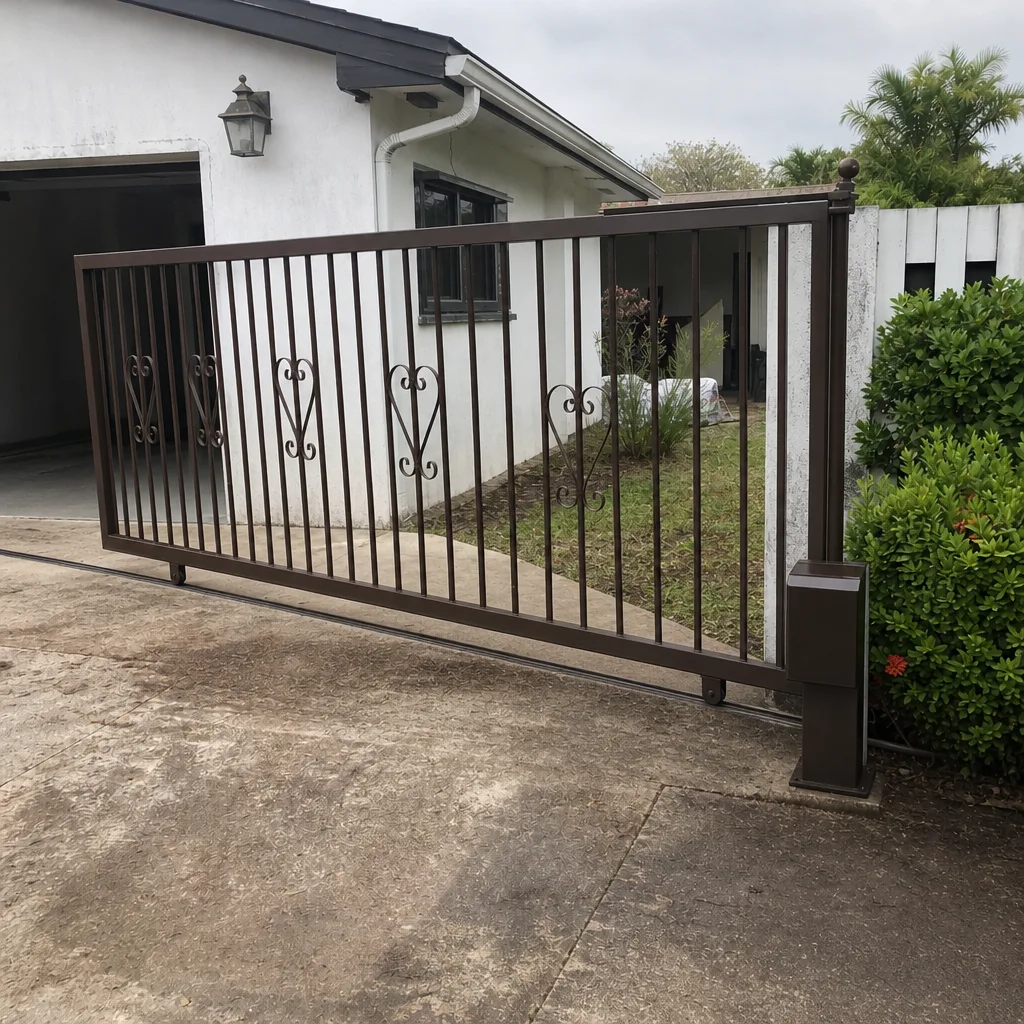
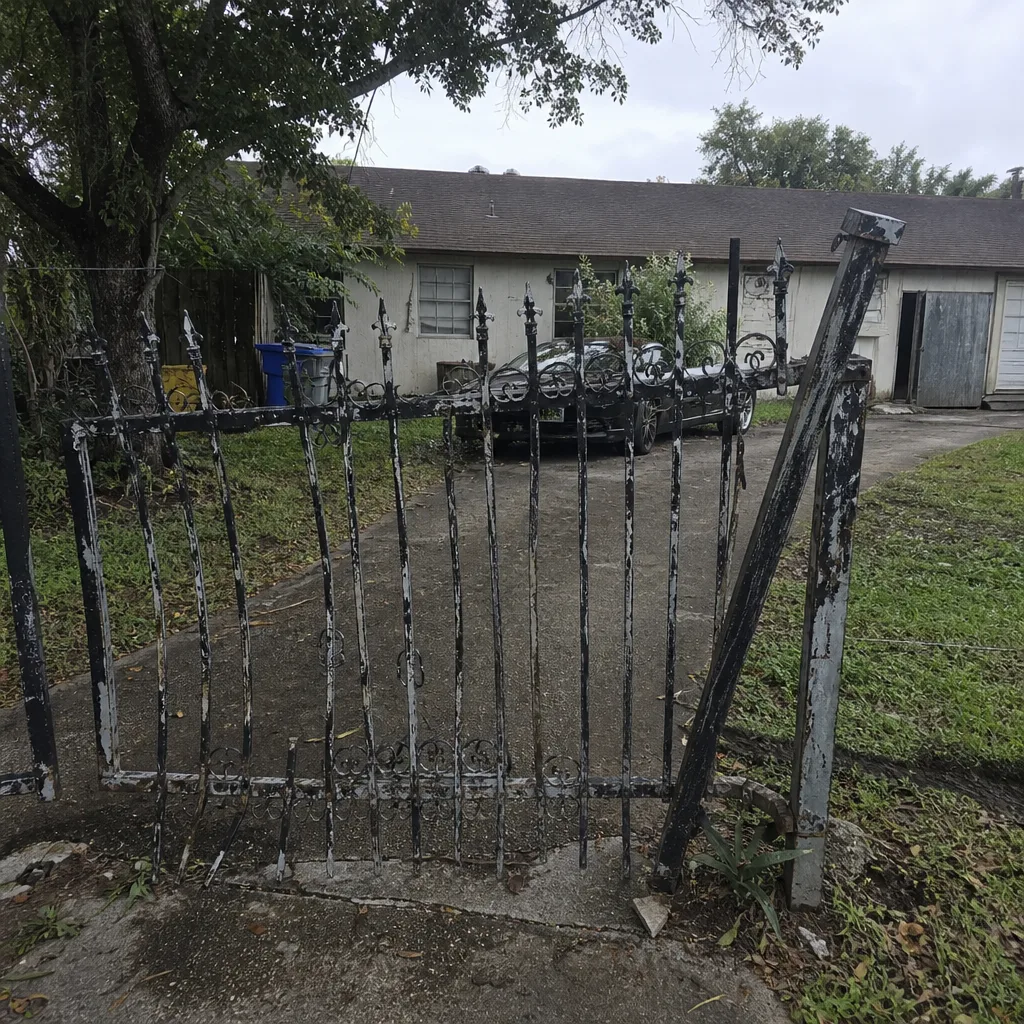
See the difference
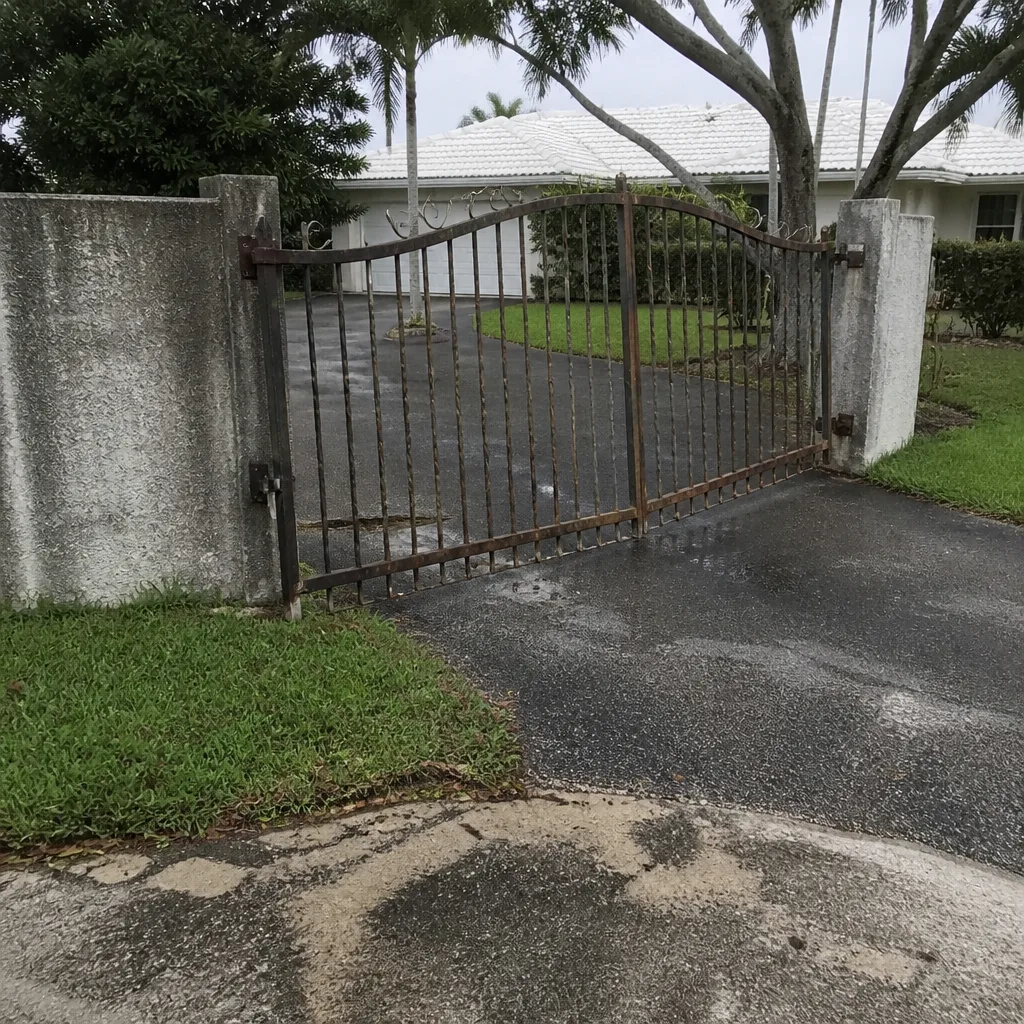 Before
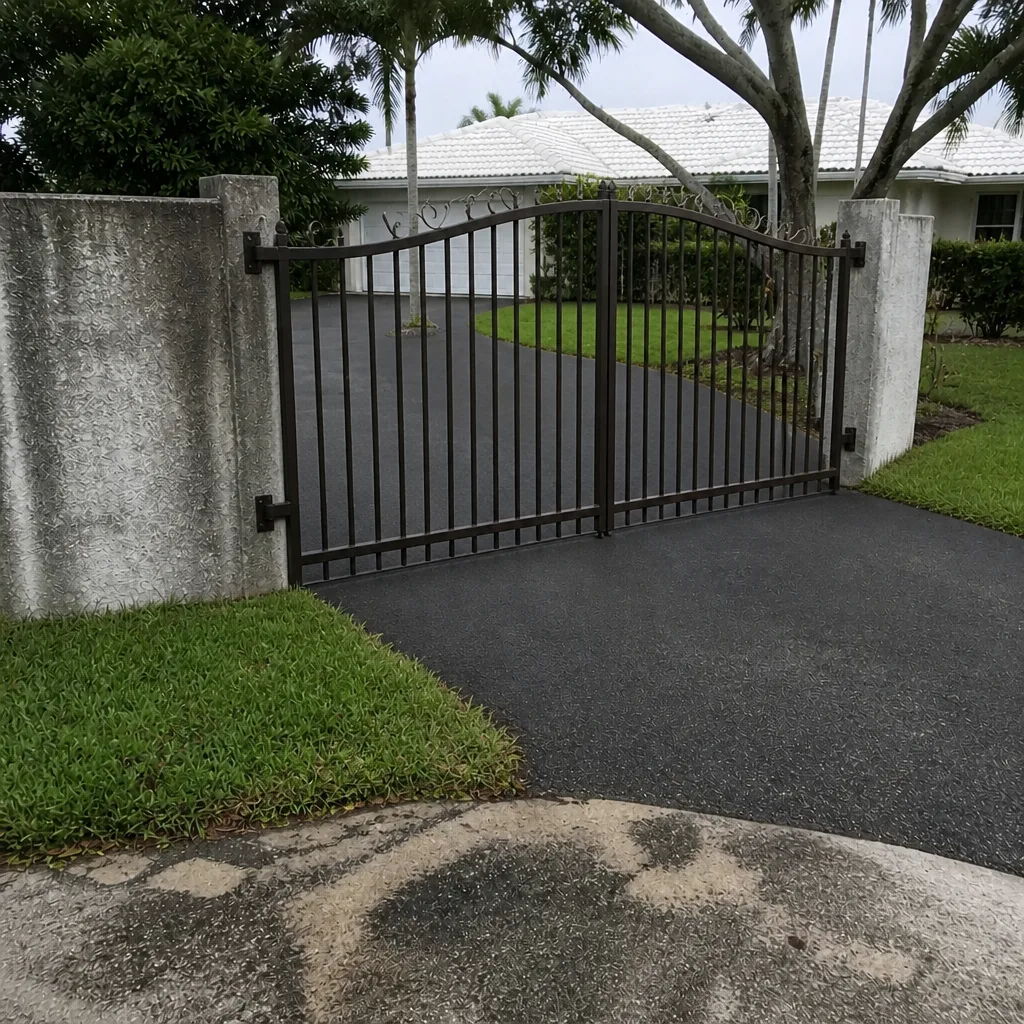 After
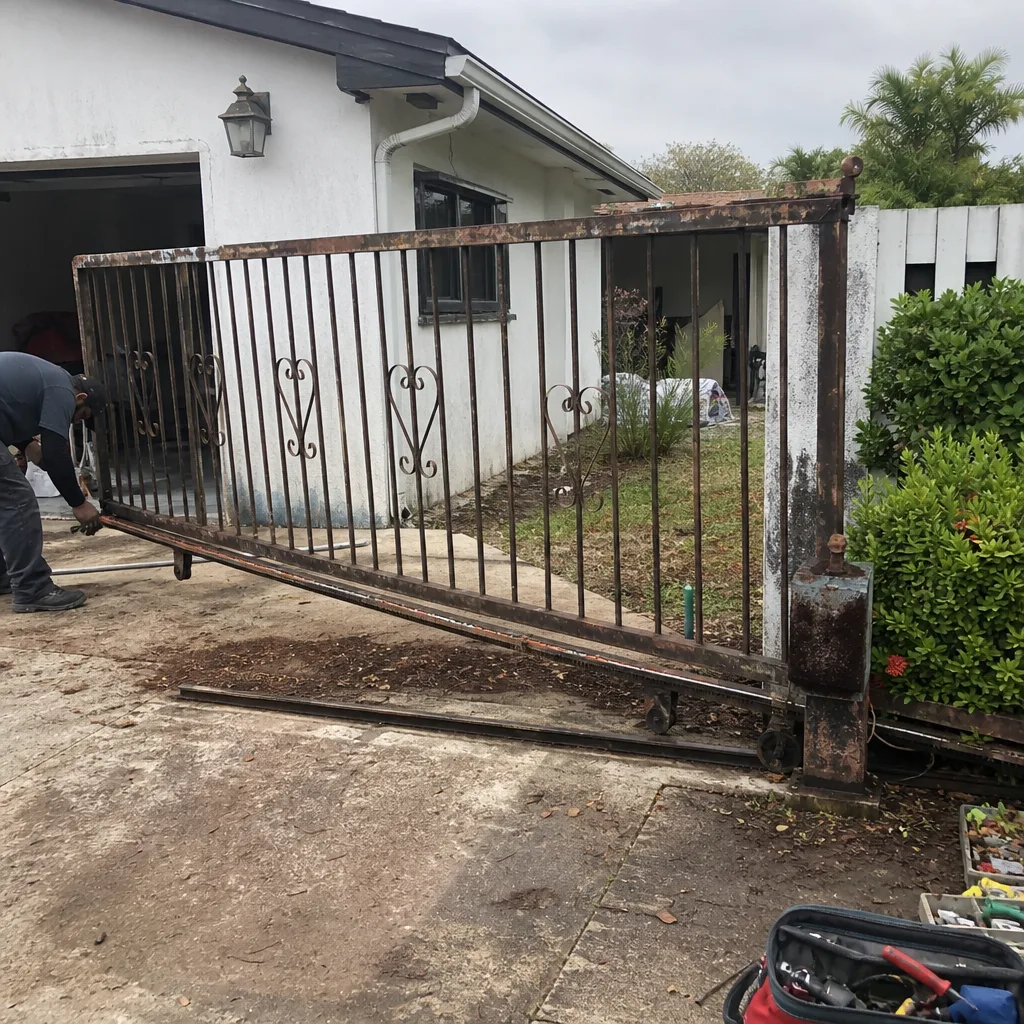 Before
 After
 Before
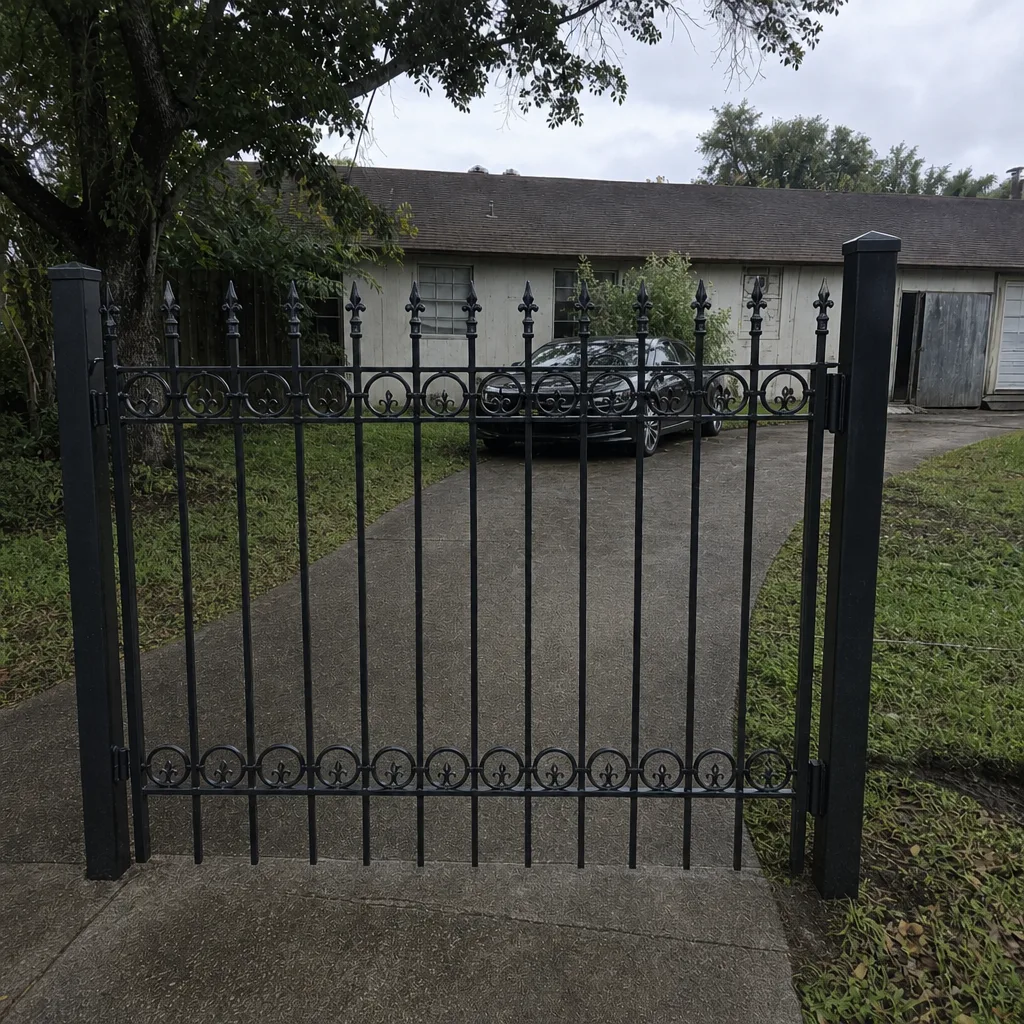 After
When to Call a Professional
Some gate problems clear up with a reset. Many don’t. Call a professional when the gate won’t respond after you’ve checked power, remotes, and sensors. Call when you see any sign of electrical trouble, from a burning smell to scorched terminals, because that’s a fault that can become a fire or shock risk. Call when a gate is stuck open on a property that’s access-controlled, or when a panel is hanging, off track, or could fall. Call after any flooding, before re-energizing the operator. And call when the manual release doesn’t move the gate freely, because that’s a mechanical problem the release can’t solve.
If you’re in doubt about whether a failure is serious enough to warrant a visit, the check is free, so there’s no reason to guess. Gate Repair Davie offers free estimates in Davie. Call (877) 802-1841. We answer 24/7, with fast dispatch from 7am to 7pm Sunday through Friday.
Frequently Asked Questions
A gate stuck open on an access-controlled property, a heavy panel that could fall, or a gate blocking a street or emergency route is a real emergency. A gate that won’t open on a secured residential property usually isn’t. Secure the opening manually first, then call with your operator’s model and serial number. Call (877) 802-1841 for an exact quote; estimates are free.
Yes, and that’s exactly what it’s for. Every automatic operator has a release that disengages the motor so the gate can be moved by hand. Practice it before you need it, keep the release key accessible, and use it to clear the opening during any outage. If the gate won’t move freely by hand after releasing it, stop and call a technician.
Disengage it if the property floods, if the operator has no working battery backup, or if the gate is the only control on an access point you want to keep closed. If the operator has fresh battery backup and the property doesn’t flood, leaving it active can be reasonable. Make the call before the watch, not during it.
Most repairs are diagnosed on the first visit and completed once the right part is confirmed. The response time depends on how much storm damage happened across the area and whether your model and serial number are on hand. Having your emergency file ready is the biggest factor in how fast a repair comes together.
We work across the major brands installed on Davie properties, including LiftMaster, FAAC, BFT, Linear, Viking, Ghost Controls, DoorKing, Elite, and Mighty Mule. Our approach is brand-agnostic: we work on the gate you have, not just the brand we’d prefer to sell. Call (877) 802-1841 for a free estimate on the exact system on your property.
No, but repair should be the first answer until the evidence says otherwise. A failed motor, board, or sensor is a repairable part, and most of the failures we see are those. Replacement makes sense when the mechanical structure or the operator itself is beyond saving. Ask your technician what failed, what repair costs, and what replacement costs, and expect a straight answer to all three.
The Bottom Line
Gate emergencies in Davie follow patterns, and patterns can be prepared for. Test the manual release before you need it. Learn the storm-prep sequence and decide manual override versus active operation before a watch is issued. Never re-power a wet operator. Know the difference between a lockout and a security emergency, and keep an emergency file with your operator’s model, serial number, release key, and access codes. When a repair is the answer, a multi-brand specialist with a brand-agnostic approach fixes the gate you already have. If you’re ready to get ahead of the next failure, call (877) 802-1841 for a free estimate. We answer 24/7, with fast dispatch from 7am to 7pm, Sunday through Friday. Learn more at Gate Repair Davie, including gate repair and electric gate repair.
Written by the team at Gate Repair Davie.